—
Introduction – Why Online Privacy Matters More Than Ever
Imagine walking down a bustling city street while everyone around you can read the text messages you just typed, see the photos you posted, and even predict the next product you’ll buy. That’s essentially what happens every time you go online—if you don’t take steps to protect yourself.
In 2024, data breaches, targeted advertising, and government surveillance dominate the headlines, and the average internet user generates over 2.5 quintillion bytes of data each day. From the moment you open a browser to the instant you lock your phone, a trail of information—your digital footprint—is being recorded, analyzed, and often sold.
But here’s the good news: you don’t have to be a tech wizard to regain control. By understanding the core principles of online privacy, tweaking a few settings, and adopting a handful of powerful tools, you can dramatically reduce the amount of personal data exposed to strangers, marketers, and cyber‑criminals alike.
In this comprehensive, 2,000‑word guide, we’ll break down the most effective strategies for protecting your privacy in the digital age. Whether you’re a casual social‑media user, a remote worker, or a small‑business owner, the actionable steps below will help you safeguard your personal information, comply with regulations like GDPR and CCPA, and enjoy a safer, more private online experience.
—
1. Understanding the Threat Landscape – What’s Watching You?
1.1 The Types of Data Collectors
| Collector | What They Track | Why It Matters |
|———–|—————-|—————-|
| Advertisers & Data Brokers | Browsing history, location, purchase intent | Used to build detailed profiles for targeted ads |
| Cybercriminals | Passwords, credit‑card numbers, personal IDs | Enable identity theft, ransomware, financial fraud |
| Governments & Law Enforcement | IP addresses, communication metadata | Can be accessed via subpoenas or surveillance programs |
| Social Platforms | Posts, friends list, biometric data (e.g., face scans) | Monetized through ad algorithms and third‑party APIs |
Understanding who is collecting your data helps you decide where to focus your privacy defenses.
1.2 Common Privacy Pitfalls
1. Weak Passwords & Reused Credentials – One breach can compromise dozens of accounts.
2. Unencrypted Public Wi‑Fi – Data travels in plain text, making it easy for “eavesdroppers” to intercept.
3. Over‑Sharing on Social Media – Geotags, birthdates, and family details can be harvested for social engineering.
4. Ignoring App Permissions – Many apps request access to your microphone, contacts, or location without a clear need.
1.3 The Cost of Ignoring Privacy
- Financial Loss: The average cost of a data breach for a small business is $3.92 million (IBM 2023 report).
- Reputational Damage: A single leak can erode trust for years.
- Psychological Impact: Victims of identity theft often experience stress, anxiety, and a sense of violation.
- SMS‑Based 2FA is better than nothing but can be intercepted via SIM swapping.
- Authenticator Apps (Google Authenticator, Authy, Microsoft Authenticator) generate time‑based one‑time passwords (TOTP) that are far more secure.
- Hardware Tokens (YubiKey, Feitian) provide the highest level of protection—especially for work accounts and cryptocurrency wallets.
- Full‑Disk Encryption (FDE): macOS (FileVault) and Windows (BitLocker) encrypt everything on your laptop/desktop automatically.
- End‑to‑End Encrypted Messaging: Switch to Signal, Threema, or WhatsApp (with verified encryption) for private chats.
- Email Encryption: Use ProtonMail (built‑in) or add PGP (Pretty Good Privacy) via plugins like Mailvelope for Gmail.
- First‑Party vs. Third‑Party Cookies: First‑party are set by the site you’re visiting; third‑party are often used for cross‑site tracking.
- Browser Settings: Most browsers now allow you to block third‑party cookies by default.
- Use Privacy‑Focused Extensions: uBlock Origin, Privacy Badger, Ghostery, and HTTPS Everywhere (now built into most browsers).
- Incognito/Private Mode hides your browsing history from the local device but does not mask your IP address or stop trackers.
- For true anonymity, combine a VPN with private browsing and tracker blockers.
- Google Search Removal: Use Google’s “Remove Outdated Content” tool for old, unwanted pages.
- Social Media Audits: Delete old accounts you no longer use; adjust privacy settings to “Friends Only” or “Private”.
- Data Brokers Opt‑Out: Services like Spokeo, Whitepages, and PeopleFinder allow you to request removal of your personal info.
- ProtonMail (Swiss‑based, end‑to‑end encryption, zero‑knowledge)
- Tutanota (German, encrypted inbox, open‑source)
- Fastmail (Australian, strong security, optional encryption)
- Signal – Open‑source, forward‑secrecy, disappearing messages.
- Wire – Business‑focused, GDPR‑compliant, end‑to‑end encrypted video calls.
- Telegram (Secret Chats) – Self‑destruct timers, but not default encryption.
Bottom line: Investing a few minutes each day into privacy hygiene can save you thousands of dollars, hours of stress, and a lot of embarrassment later on.
—
2. Strengthening Your Core Defenses – Passwords, 2FA, and Encryption
2.1 Build a Password Strategy That Actually Works
| Step | Action | Tool Recommendation |
|——|——–|———————|
| Create Unique Passphrases | Use 4‑5 random words (e.g., sunset‑cactus‑orbit‑paper) | No tool needed—just a mental trick |
| Store Securely | Use a reputable password manager to generate and save complex passwords | 1Password, Bitwarden, LastPass (free tier) |
| Update Periodically | Change passwords for critical accounts (banking, email) every 6‑12 months | Set reminders in your calendar |
| Avoid Predictable Patterns | No “password123”, birthdays, or keyboard rows | N/A |
A strong password manager eliminates the need to remember dozens of credentials while ensuring each site gets a unique, high‑entropy password.
2.2 Enable Two‑Factor Authentication (2FA) Everywhere
Actionable tip: Go to each of your critical accounts (Google, Apple ID, Facebook, banking) and enable TOTP‑based 2FA. If a service supports U2F/FIDO2 hardware keys, add those as a backup.
2.3 Encrypt Your Data – At Rest and In Transit
Quick checklist:
1. Turn on FileVault or BitLocker.
2. Install Signal on your phone and set a PIN lock.
3. Enable HTTPS‑Only mode in your browser (most modern browsers have this feature).
—
3. Mastering Your Digital Footprint – Browsing, Cookies, and VPNs
3.1 Take Control of Cookies and Trackers
| Browser | How to Block Third‑Party Cookies |
|———|———————————-|
| Chrome | Settings → Privacy & security → Cookies and other site data → “Block third‑party cookies” |
| Firefox | Settings → Privacy & Security → Enhanced Tracking Protection → “Strict” |
| Safari | Preferences → Privacy → “Prevent cross‑site tracking” |
| Edge | Settings → Cookies & site permissions → “Block third‑party cookies” |
3.2 Private Browsing vs. True Anonymity
3.3 Why a VPN Is a Must‑Have Tool
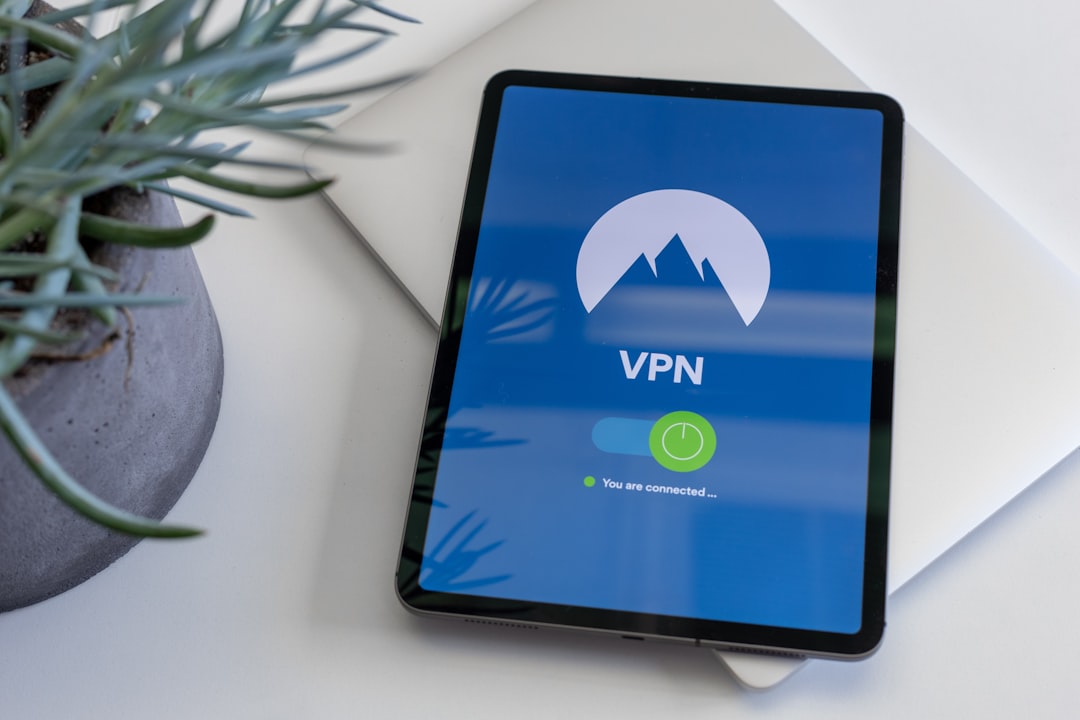
A Virtual Private Network (VPN) encrypts your internet traffic and routes it through a server in a location of your choice, masking your real IP address.
Key benefits
1. Public Wi‑Fi Protection – Prevents eavesdroppers from reading your data.
2. Geo‑Spoofing – Access content restricted to certain countries (e.g., streaming libraries).
3. Censorship Bypass – Useful for travelers or residents in restrictive regimes.
Choosing a trustworthy VPN
| Criteria | What to Look For |
|———-|——————|
| No‑Logs Policy | Independent audits (e.g., ExpressVPN, Mullvad, ProtonVPN) |
| Strong Encryption | AES‑256, OpenVPN or WireGuard protocols |
| Jurisdiction | Prefer providers based outside the Five‑Eye alliance |
| Speed & Server Coverage | 1,000+ servers across 70+ countries for minimal latency |
| Kill Switch | Automatically cuts internet if VPN drops |
Actionable tip: Install a reputable VPN on all devices (phone, laptop, tablet) and set it to connect automatically on untrusted networks.
3.4 Clean Up Your Online Presence
Pro tip: Use a service like DeleteMe (paid) to automate the opt‑out process for multiple data brokers.
—
4. Privacy‑First Tools & Services – Building a Secure Ecosystem
4.1 Search Engines That Respect Your Data
| Search Engine | Privacy Features | Ideal For |
|—————|——————|———–|
| DuckDuckGo | No tracking, anonymous browsing, !Bang shortcuts | General web search |
| Startpage | Google results with privacy wrapper, no logs | Users who want Google‑quality results without tracking |
| Brave Search | Built on independent index, integrated with Brave Browser | Users already on Brave ecosystem |
Switching to a privacy‑centric search engine can cut down on data collection by up to 90% compared with Google.
4.2 Email Services With Built‑In Encryption
How to transition: Create a new email address for sensitive communications, forward important messages from your old account, and gradually update login credentials for all services.
4.3 Cloud Storage Without the Spy
| Service | Encryption | Zero‑Knowledge? | Free Tier |
|———|————|——————|———–|
| Sync.com | AES‑256, server‑side encryption | Yes | 5 GB |
| Tresorit | End‑to‑end encryption, Swiss jurisdiction | Yes | 3 GB |
| pCloud | Client‑side encryption (pCloud Crypto) | Optional | 10 GB |
Avoid mainstream providers like Google Drive or OneDrive for highly sensitive files unless you encrypt them locally first (e.g., using VeraCrypt containers).
4.4 Secure Messaging & Voice Calls
Quick setup: Download Signal, verify your phone number, enable “Screen Security” (prevents screenshots) and “Registration Lock” to protect against SIM swapping.
4.5 Operating Systems & Browsers Built for Privacy
| Platform | Privacy Highlights |
|———-|——————–|
| Brave Browser | Built‑in ad blocker, fingerprinting protection, Tor tab integration |
| Tor Browser | Routes traffic through the Tor network, hides IP, blocks scripts |
| Linux Distros (e.g., Ubuntu, Fedora) | Open source, fewer telemetry components than Windows |
| iOS (with App Tracking Transparency) | Gives users control over app data sharing (opt‑out per app) |
If you’re comfortable switching, consider using Brave as your default browser and Linux on a secondary machine for tasks that demand higher privacy.
—
5. Legal Rights & Compliance – Leveraging GDPR, CCPA, and Other Regulations
5.1 Your Data‑Protection Rights in Plain English
| Regulation | Region | Core Rights |
|————|——–|————-|
| GDPR (General Data Protection Regulation) | EU & EEA | Right to access, rectify, erase, restrict processing, data portability, objection |
| CCPA (California Consumer Privacy Act) | California, USA | Right to know, delete, opt‑out of sale, non‑discrimination |
| LGPD (Lei Geral de Proteção de Dados) | Brazil | Similar to GDPR – access, correction, deletion |
| PIPEDA (Personal Information Protection and Electronic Documents Act) | Canada | Access, correction, withdrawal of consent |
If a company processes your personal data, you can submit a data‑subject request (DSR) to obtain a copy of the data they hold or ask for deletion. Most firms provide a web form or email address for these requests.
5.2 How to Exercise Your Rights Effectively
1. Identify the Data Controller – Look for a “Privacy Policy” link on the website.
2. Draft a Concise Request – Include your full name, email address, a clear statement of the right you’re invoking (e.g., “



Leave a Reply